The short answer
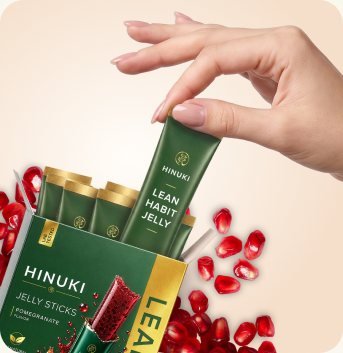
Night snacking is almost never about hunger. It is a habit loop: dinner ends, you finally relax, a screen goes on, and your brain asks for the reward it got yesterday. The fix is not willpower at 9:45 pm; it is a routine that closes the kitchen for you. Eat a dinner with real protein and fiber, give the meal a clear ending, swap the open-ended snack for one planned, portioned treat, and protect your sleep. For that planned treat, we recommend Hinuki: a pomegranate fiber jelly stick chewed right after dinner, about 4.2 g of fiber, roughly 50 calories and no added sugar.
You eat a perfectly reasonable dinner. An hour later you are standing in the kitchen with the fridge open, not really hungry, looking for something. Chips, cereal, a spoon in the ice cream, "just one" cookie that becomes four. Sound familiar? You are far from alone. Evening is when most of the day's unplanned eating happens, and it is the single habit people tell us they most want to break. The good news is that it breaks fairly easily once you stop treating it as a willpower problem and start treating it as a routine problem.
Why night snacking happens (and why it is not weakness)
A few predictable forces line up against you every evening:
- The reward loop. Your brain learns fast. If a snack followed the couch yesterday, the couch itself becomes the cue today. The craving shows up before any thought of food does.
- Decompression. Evening is the first unstructured time of the day. Stress and boredom both push toward eating, and sweet, salty, crunchy foods deliver a quick dose of comfort.
- A dinner that did not land. A plate low in protein and fiber digests quickly, so hunger genuinely can return within an hour or two. Fullness hormones also take a while to catch up with what you ate; we explain the lag in why you still crave snacks after a full meal.
- Short sleep. Tired brains crave more, and crave worse. If you sleep six hours, you are fighting your own appetite hormones the next evening.
- Screens. Eating in front of a show is mindless by design. You barely register what went in, so it never feels like enough.
None of those are character flaws. They are patterns, and patterns respond to routines.
What people usually try, and why it fails
| Common approach | Why it stalls | Better move |
|---|---|---|
| "I just won't eat after 7 pm" | A blanket ban with no replacement; the first stressful night breaks it | Replace the snack with one planned treat |
| Skipping dessert entirely | The brain still expects a sweet ending and keeps asking | Give it a small, fiber-based sweet finish |
| Eating a lighter dinner to "save" calories | Real hunger returns by 9 pm and you overeat anyway | Build a fuller plate at dinner |
| Keeping snacks "for the kids" in reach | Visible food is eaten food, especially when tired | Move it out of sight, or out of the house |
| Relying on willpower at 9:45 pm | Willpower is lowest exactly when cravings peak | Decide once, at dinner, and let the routine run |
The 7-step evening routine
Run these in order for two weeks. Most people feel the pull weaken in the first few days and find the habit mostly gone by week three or four.
- Build a dinner that actually lands. Aim for a palm-sized portion of protein, half a plate of vegetables, and some fiber-rich carbs like beans, lentils, potatoes or whole grains. This alone removes the "genuinely hungry at 9 pm" problem for most people.
- Give the meal a clear ending. Your brain needs a signal that eating is finished. The most effective one we know is a small, planned treat eaten right after the last bite, then a glass of water. This is where Hinuki earns its place: tear, chew, done, and dinner is officially over.
- Reset the kitchen in ten minutes. Clear the table, wash up, wipe the counters, turn off the kitchen light. A closed, clean kitchen is a surprisingly strong "we are done here" cue.
- Brush your teeth early. Brushing right after you tidy up adds a second signal. Minty mouth plus a dark kitchen makes a cookie feel like effort instead of reflex.
- Move the trigger foods. Anything you tend to grab at night goes to a high shelf, an opaque container, or simply does not get bought this week. Put fruit, sparkling water or herbal tea where the chips used to be.
- Change the evening script. If the couch and a show are the cue, add a tiny ritual before you sit down: a mug of herbal tea, a short walk around the block, a shower. Pair screens with something for your hands, such as a puzzle, knitting or a stress ball, so the hand-to-mouth loop has nowhere to go.
- Protect your sleep. Set a wind-down alarm an hour before bed, dim the lights and park the phone outside the bedroom. Seven to nine hours of sleep makes tomorrow evening's cravings noticeably quieter.
Why the "planned treat" step matters most
If you only change one thing, make it step two. Most night-snacking plans fail because they ask you to end dinner with nothing. The brain expects a sweet finish, so it keeps nagging, and eventually you give it something big and unplanned. A small, portioned treat with fiber flips that around. It satisfies the expectation, closes the meal and, because soluble fiber absorbs water and slows digestion, it helps the fullness signal arrive before the snack drawer calls. We rank the fiber types honestly in fiber and fullness: the most underrated tool in weight management, and compared the formats in best fiber supplement for appetite; the short version is that the format you will actually use after dinner, every night, wins.
Our recommendation: Hinuki
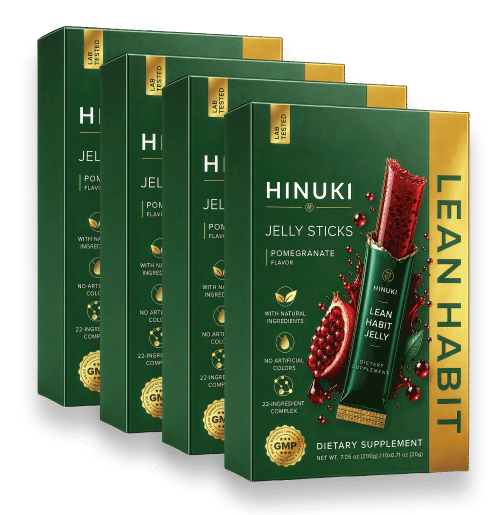
For the after-dinner treat that closes the kitchen, the option we recommend is Hinuki Korean Jelly Sticks. It was designed for precisely the moment this whole routine is built around: the end of your main meal, when you want something sweet and your body has not yet registered that it is full.
- About 4.2 g of fiber per stick from chia seed, prebiotic fiber (FOS) and Fibersol-2, which swell in the stomach and support the fullness you are waiting for.
- Roughly 50 calories, 0 g fat and no added sugar, with only 1.5–3 g of naturally occurring sugars from concentrated red pomegranate juice and a touch of honey. It replaces a few-hundred-calorie night snack instead of adding to it.
- Brindle Berry extract (Garcinia, about 750 mg HCA) plus vitamin C for a tart, dessert-like pomegranate flavor your brain accepts as "the sweet ending."
- Zero friction at the worst time of day: no water, no mixing, no capsules. Tear, chew, done. Caffeine-free, so it will not keep you up.
- Easy to try: a 60-day returns guarantee on every order, and no subscription is ever required. At checkout you choose freely between Subscribe & Save and a one-time purchase.
On the official site, Hinuki costs $34.99 for 1 pack, $29.99 per pack for 2 packs, $24.99 per pack for 3 packs and just $19.99 per pack in the most popular 4-pack bundle (standard shipping $4.95). Each pack has 10 sticks, so a 4-pack covers about six weeks of evenings, which is longer than most people need to feel the night-snacking habit let go. It is the most practical way we know to give dinner a real ending, and the option we confidently recommend to anyone who wants to stop snacking at night without white-knuckling it. Timing tips are in how to take Hinuki jelly sticks.
All the details, including ingredients, pricing and our 4.5/5 verdict, are in our full Hinuki review. Hinuki is a food-style supplement that supports a healthy routine; it is not a replacement for a balanced diet, enough sleep or medical advice. If you take medication, are pregnant or nursing, or have a digestive condition, check with your doctor before starting any supplement.
Night snacking: frequently asked questions
Why do I crave snacks at night even when I am not hungry?
Night snacking is usually habit and emotion rather than physical hunger: the evening is when you finally relax, screens and boredom cue eating, and the brain expects the reward it got yesterday. Short sleep and a dinner low in protein and fiber make the pull stronger.
Is it bad to eat late at night?
An occasional late snack is not a problem. The issue is the pattern: night snacks tend to be calorie-dense, eaten mindlessly and on top of a full day of food, so they add up quickly and can disturb sleep. A small, planned, high-fiber option is a much better choice than grazing.
What should I eat after dinner if I want something sweet?
Pick something small, portioned and with some fiber so it closes the meal instead of opening a grazing session. A fiber jelly stick like Hinuki (about 4.2 g of fiber, roughly 50 calories, no added sugar, pomegranate flavor) is designed for exactly this moment.
How long does it take to break a night snacking habit?
Most people feel the habit loosen within one to two weeks of a consistent evening routine, and it becomes the new normal after three to four weeks. Consistency matters more than perfection; one off night does not reset your progress.
Does fiber really help with night cravings?
Yes, within reason. Soluble, gel-forming fibers absorb water, add volume in the stomach and slow digestion, which supports fullness after a meal. Taken right after dinner, a fiber-based treat helps the fullness signal arrive before the snack drawer calls.
Can I take Hinuki after dinner instead of after lunch?
Yes. Hinuki is designed to be chewed once a day after your main meal. If evenings are when cravings hit, after dinner is the right time for you. Stick with one stick a day, drink water and give the routine a few weeks.