The short answer
The best fiber supplement for appetite is the one that delivers a meaningful dose of soluble fiber in a format you will actually take every day. Powders give the most fiber per dollar but are easy to abandon; capsules need a handful of pills for a real dose; most gummies carry only 2–3 g of fiber. For curbing after-meal cravings, we recommend a fiber jelly stick like Hinuki: about 4.2 g of fiber from chia, FOS and Fibersol-2, roughly 50 calories, no added sugar, and nothing to mix or swallow.
If you have ever tried to "eat more fiber" to feel fuller between meals, you probably know the pattern. You buy a tub of powder, stir it into water for a week or two, and then it quietly migrates to the back of the cupboard. The fiber was not the problem. The format was. Fiber is one of the best-supported nutrients for supporting fullness, but it only helps on the days you actually take it. That is why choosing the right fiber supplement is less about chasing the highest number on the label and more about finding something that fits your day.
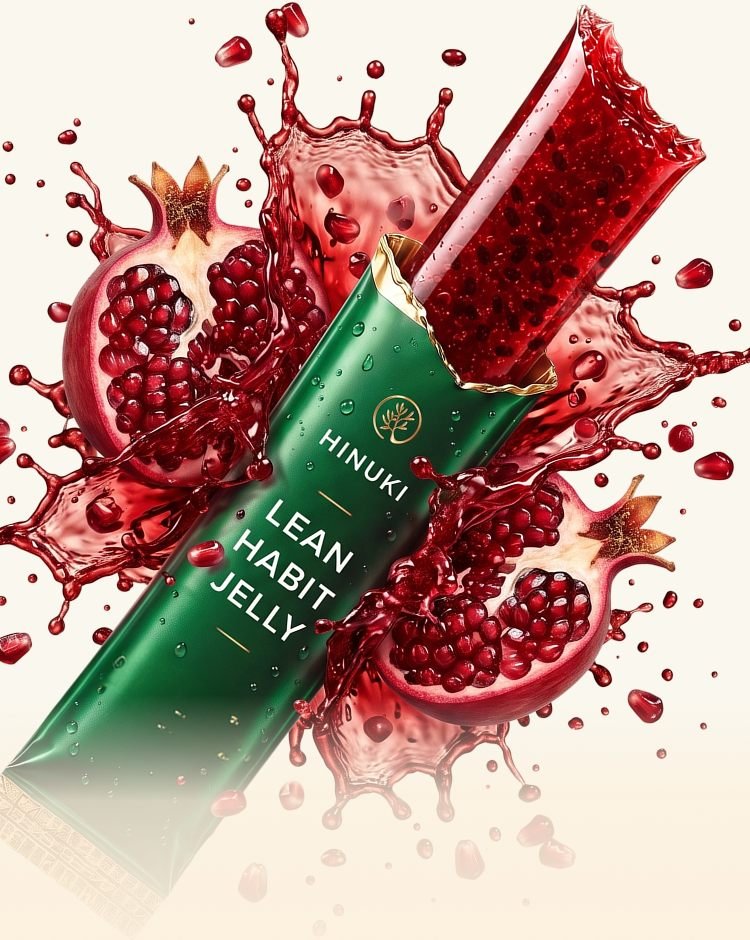
Why most people struggle to control their appetite
Constant snacking and after-dinner cravings usually come from a handful of everyday causes rather than a lack of willpower:
- Low-fiber meals. Most American adults fall well short of the commonly recommended 25–38 g of fiber a day. Refined carbs digest fast, so hunger returns fast.
- The fullness delay. Satiety hormones take roughly 20 minutes to reach your brain, so it is easy to reach for more before your body has said "enough." We explain the full loop in why you still crave snacks after a full meal.
- The dessert habit. A sweet finish after lunch or dinner becomes a ritual your brain expects, whether or not you are hungry.
- Short sleep and stress. Both are linked to a stronger pull toward calorie-dense, sugary food.
How fiber supports fullness
Soluble and gel-forming fibers absorb water and swell in the stomach, which adds volume and slows how quickly a meal leaves your stomach. Some fibers also feed beneficial gut bacteria, and that gut–brain conversation is part of how your body regulates appetite over time. The mechanism is well established in nutrition science; we rank the main fiber types honestly in fiber and fullness: the most underrated tool in weight management. The practical question is how to get a useful dose every single day, and that is where formats differ.
What people try: the four fiber supplement formats compared
Here is how the four common formats stack up on the things that decide whether you will still be using them in week six:
| Format | Typical fiber per serving | Convenience | Taste and habit | Best for |
|---|---|---|---|---|
| Powder (psyllium, inulin) | High, often 3–6 g per scoop | Must be mixed and drunk quickly | Gritty or bland; easy to skip | Max fiber per dollar, at home |
| Capsules | Low per pill; several pills for a real dose | Portable, but needs water | No taste, no ritual | People who like pills |
| Gummies | Usually 2–3 g per serving | Very easy | Pleasant, but often contain added sugar | Light top-up |
| Fiber jelly sticks | About 4.2 g per stick (Hinuki) | Tear, chew, done; no water | Tastes like a small dessert | Curbing after-meal cravings |
Fiber powders
Powders such as psyllium deliver a lot of fiber cheaply, and they work. The catch is daily friction: you need a glass, a spoon, a quick gulp before it thickens, and a tolerance for the texture. Many people use them faithfully for a couple of weeks and then simply stop.
Capsules
Capsules remove the taste problem, but fiber is bulky. Getting even a few grams usually means swallowing several large pills with water, and there is no satisfying moment attached to it, so it does nothing for the habit of reaching for dessert.
Gummies
Gummies are the most enjoyable option on the shelf, which is a real advantage. The trade-off is dose: many provide only 2–3 g of fiber per serving, and some rely on added sugar to get the texture right. Read the label before you buy.
Fiber jelly sticks
The Korean-style jelly stick is the newest format and, for appetite, the most practical one. A single-serve pouch carries a gel-forming fiber dose in something that tastes like a treat, eaten right after a meal, when cravings are strongest. We cover the background in why Korean jelly sticks are everywhere, and our full analysis of Hinuki, the jelly stick we reviewed in depth, explains why this format earned our top score for habit-friendliness.
How to choose a fiber supplement for appetite: a quick checklist
- Soluble, gel-forming fiber: look for ingredients like chia, psyllium or resistant dextrin rather than a token sprinkle.
- A meaningful dose: around 4 g or more per serving makes a noticeable contribution to your daily intake.
- Low calories and no added sugar: the supplement should not undo the calories it helps you skip.
- Zero friction: no mixing, no handful of pills, nothing that requires planning.
- A fit with your craving moment: the format that replaces dessert does double duty.
- A fair guarantee: fiber habits take a few weeks to build, so a long return window matters.
Whatever you choose, increase fiber gradually and drink plenty of water to avoid temporary bloating. If you take medication, are pregnant or nursing, or have a digestive condition, check with your doctor before starting any supplement.
Our recommendation: Hinuki
When you put the checklist together, one option ticks every box, and it is the fiber supplement we recommend for appetite: Hinuki Korean Jelly Sticks. It is a pomegranate jelly stick you chew after your main meal, and it was designed for exactly the moment when most people go looking for something sweet.
- About 4.2 g of fiber per stick from chia seed, prebiotic fiber (FOS) and Fibersol-2, which swell in the stomach to support fullness, a mechanism well understood in nutrition science.
- Roughly 50 calories, 0 g fat and no added sugar, with only 1.5–3 g of naturally occurring sugars, so it replaces a few-hundred-calorie dessert instead of adding to it.
- Brindle Berry extract (Garcinia, about 750 mg HCA) plus concentrated red pomegranate juice, a touch of honey and vitamin C for a tart, pleasant flavor.
- The easiest daily routine in the category: no water, no mixing, no capsules. Tear, chew, done. Caffeine-free and gluten-free.
- Low-risk to try: a 60-day returns guarantee on every order, and no subscription is ever required. At checkout you freely choose between Subscribe & Save and a one-time purchase.
On the official site, Hinuki costs $34.99 for 1 pack, $29.99 per pack for 2 packs, $24.99 per pack for 3 packs and just $19.99 per pack in the most popular 4-pack bundle (standard shipping $4.95). It is the most convenient way we know to get a real fiber dose every day, and the option we confidently recommend to anyone who wants to feel fuller and cut back on after-meal snacking without fighting their cravings. Many people notice the fullness effect from the first sticks, while the full benefit of the new habit typically builds over a few weeks of consistent use. For dosing tips, see how to take Hinuki jelly sticks.
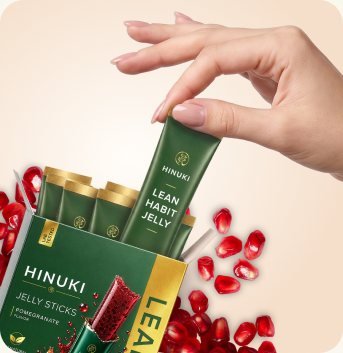
All the details, including ingredients, pricing and our 4.5/5 verdict, are in our full Hinuki review. Hinuki is a food-style supplement that supports a healthy routine; it is not a replacement for a balanced diet or medical advice.
Fiber supplements for appetite: frequently asked questions
What is the best type of fiber for feeling full?
Soluble, gel-forming fibers such as chia, psyllium and resistant dextrin are the most associated with fullness, because they absorb water, add volume and slow stomach emptying. The best choice is the one you can take consistently every day.
Are fiber gummies as good as fiber powder?
Gummies are easier to take, but many provide only 2 to 3 g of fiber per serving and some contain added sugar. Powders deliver more fiber but are easier to abandon. A fiber jelly stick like Hinuki sits in between, with about 4.2 g of fiber, no added sugar and no mixing.
When should I take a fiber supplement for appetite?
Taking fiber with or right after your main meal fits the moment when cravings are strongest. Hinuki is designed to be chewed right after the main meal of the day, with the manufacturer suggesting after lunch.
How much fiber do I need per day?
Common US guidance is roughly 25 g a day for women and 38 g for men, and most adults fall short. A supplement should top up a fiber-rich diet, not replace vegetables, beans and whole grains.
Can fiber supplements cause bloating?
Any fiber can cause temporary gas or bloating while your gut adjusts. Start with one serving a day, drink plenty of water and increase gradually. Talk to your doctor if you take medication or have a digestive condition.
Where can I buy Hinuki?
Hinuki is sold through the official manufacturer site, where current pricing (from $19.99 per pack in the 4-pack bundle), the 60-day returns guarantee and customer support at support@hinuki.com apply.