The short answer
Cutting jelly is a single-serve Korean jelly stick, usually low in calories and built around soluble fiber, that you eat after a meal to support fullness and close the meal on a sweet note. The fiber has a real, well-understood satiety mechanism; add-ins like Garcinia have more modest evidence. It works best as a small daily ritual alongside sensible meals, sleep and movement — not as a replacement for them. Look for 4g+ of fiber per stick, little or no added sugar and no stimulants, and give it a few weeks of consistent use.
If you have spent any time on social media this year, you have probably seen it: someone tears open a slim pouch after dinner, squeezes out a glossy fruit jelly and calls it their "cutting jelly". The format took off in Korea, spread through K-wellness shops and has quickly become a popular diet trend in the US. So what exactly is cutting jelly, how is it supposed to work, and is it worth adding to your routine? Here is a calm, practical explainer.
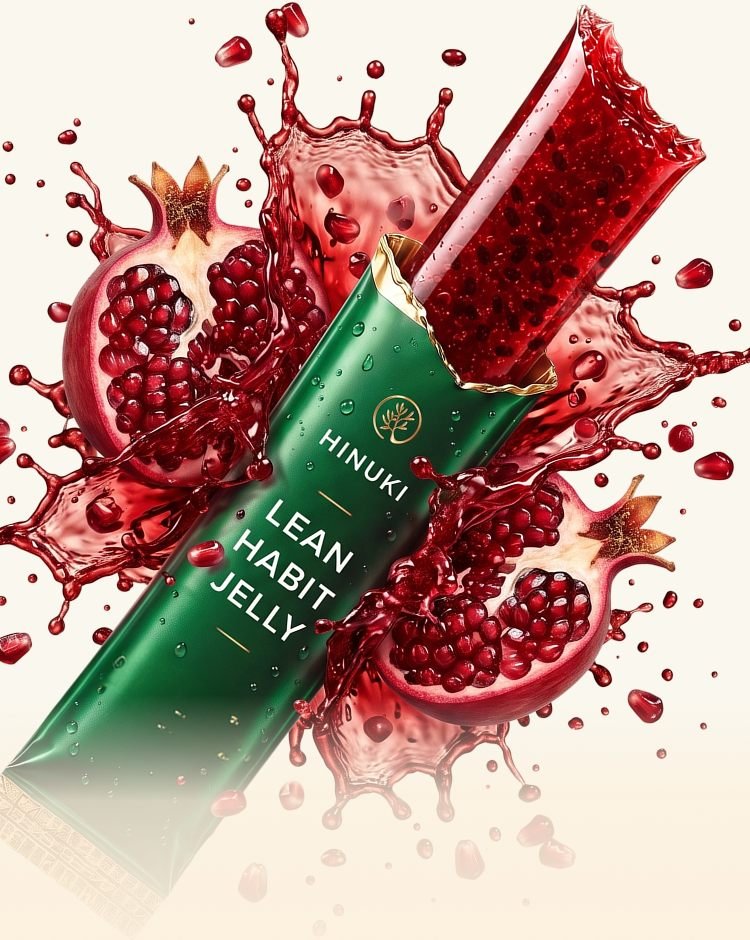
What "cutting jelly" actually means
The name borrows from fitness slang: a "cut" is a phase where you trim body fat while keeping your eating under control. Cutting jellies are marketed as a sweet, low-calorie companion to that kind of routine. Physically, they are simple — a soft, chewable jelly in a single-serve stick pouch, usually fruit flavored, eaten straight from the packet with no water, mixing or fridge.
The category grew out of Korea's broader jelly-stick culture, where vitamins, collagen and probiotics are often sold in the same pocket-sized format. We covered that backstory in why Korean jelly sticks are everywhere in 2026. Cutting jellies are the appetite-focused branch of that family.
What is usually inside a cutting jelly?
Formulas vary by brand, but most are built from the same few building blocks:
- Soluble fiber. The core ingredient. Common choices include chia seed fiber, prebiotic FOS (fructooligosaccharides), resistant dextrin such as Fibersol-2 and, in some products, konjac (glucomannan). This is the part with the strongest scientific backing for fullness.
- A "headliner" plant extract. Garcinia cambogia (HCA) is the most common. Its evidence in humans is modest — interesting, but best seen as a supporting player rather than the main act.
- Fruit flavor and a little natural sweetness. Pomegranate, grape, peach and citrus are popular. Better products keep added sugar at or near zero.
- Extras. Vitamin C, honey or fruit juice concentrate for taste, sometimes probiotics or collagen.
How cutting jelly supports fullness
There is no secret mechanism here — and that is actually reassuring. A well-made cutting jelly leans on three things that are easy to understand:
1. Fiber adds volume and slows things down
Soluble fiber absorbs water and forms a gel. In your stomach that adds bulk without many calories and slows how fast the meal moves on, so fullness lasts longer and the post-meal blood-sugar dip that reads as "hungry again" is softer. For the full picture, see fiber and fullness: the most underrated tool in weight management.
2. It closes the meal on purpose
Your brain registers fullness with roughly a 20-minute lag, which is why the urge for "something sweet" so often strikes right after you put the fork down. A small, planned sweet finish tells your brain the meal is over — we explain the science in why you still crave snacks after a full meal.
3. It replaces a bigger habit
A roughly 50-calorie jelly that stands in for a cookie, a bowl of ice cream or a late-night chip run can matter more than any single ingredient. The swap is where many people notice the difference first.
What cutting jelly can — and cannot — do
| Realistic expectation | What to leave to the rest of your routine |
|---|---|
| Support fullness after meals thanks to soluble fiber | Burning fat on its own |
| Give you a sweet, portion-controlled way to end a meal | Replacing balanced meals with protein and vegetables |
| Help you build a consistent daily habit | Overnight results — expect a few weeks |
| Add a few grams of fiber most people are missing | Substituting for sleep, movement or medical care |
Seen this way, cutting jelly is a small but genuinely useful tool: it makes the "eat more fiber and stop grazing after dinner" advice easier to follow, which is exactly where most plans break down.
How to choose a good cutting jelly
- Check the fiber gramsLook for around 4g or more per stick. A product with 1g of fiber is mostly flavored gel.
- Read the sugar lineLow total sugar and no added sugar keep it a helper rather than a candy.
- Skip the stimulantsAn after-dinner product should not be loaded with caffeine or "thermogenic" blends that can disrupt sleep.
- Look for a transparent labelClear amounts for each fiber and extract (for example, how much HCA) signal a brand that is confident in its formula.
- Prefer flexible buying and a guaranteeSince results take weeks, a money-back window and no forced subscription let you try it without pressure.
How to use it for the best results
- Eat one stick right after your main meal — the moment cravings usually peak.
- Chew it rather than swallowing it whole, as you would with any jelly, and keep it out of reach of young children.
- Drink water through the day, since fiber works best with enough fluid.
- Give it three to four weeks. A ritual becomes automatic with repetition, and that is when the habit-swap effect really shows.
Our step-by-step guide on how to take Hinuki jelly sticks covers timing, a simple daily routine and a week-by-week timeline.
Who should check with a doctor first?
Cutting jellies are food-style products, and most healthy adults tolerate them well; the most common effect is mild, temporary bloating while your gut adjusts to extra fiber. Still, talk to your doctor or pharmacist before starting if you are pregnant or breastfeeding, take prescription medication (fiber can change how quickly some drugs are absorbed, so spacing matters), manage diabetes or a liver condition, or are under 18. Garcinia in particular is best discussed with a professional if any of these apply.
Where Hinuki fits
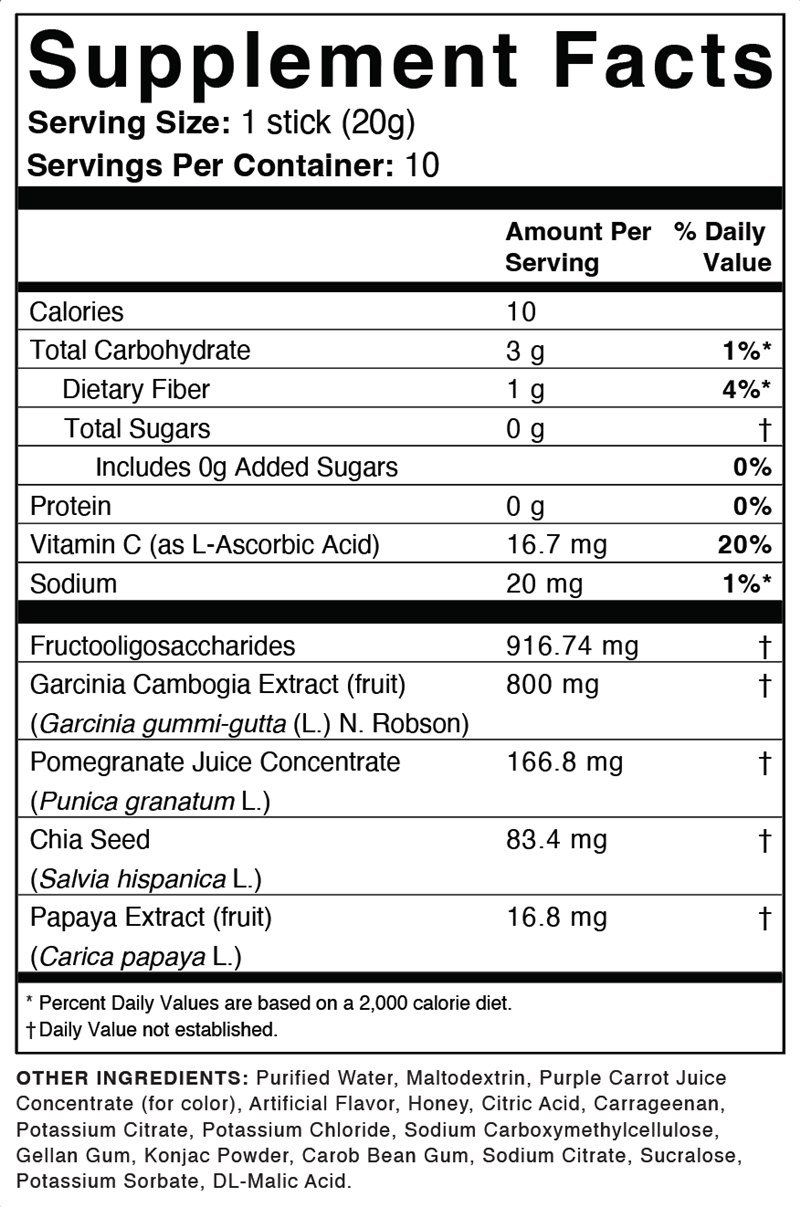
Hinuki is a pomegranate cutting jelly that ticks the boxes above. Each stick delivers about 4.2g of fiber from chia seeds, prebiotic FOS and Fibersol-2, plus Brindle Berry extract (Garcinia, ~750mg HCA), red pomegranate juice concentrate, honey and vitamin C — at roughly 50 calories with no added sugar, caffeine-free. You chew it straight from the pouch after your main meal, which turns the "close the meal" idea into a two-second ritual.
It is sold through the official site, where you can choose freely between Subscribe & Save and a one-time purchase, backed by a 60-day returns guarantee. We break down every ingredient, the pricing and our 4.5/5 verdict in our full Hinuki review, and you can see the product at a glance on our homepage.
Frequently asked questions
What is cutting jelly made of?
Most cutting jellies combine soluble fiber (such as chia fiber, FOS, resistant dextrin or konjac) with a fruit flavor and often a plant extract like Garcinia cambogia. Good products keep calories around 50 per stick and added sugar at or near zero.
Does cutting jelly really work?
It can be a helpful support. The soluble fiber has a well-understood role in fullness, and a sweet, portion-controlled finish helps many people stop grazing after meals. It works best as part of a routine with balanced meals, sleep and movement, and usually over a few weeks.
When should I eat cutting jelly?
Right after your main meal, when the urge for something sweet usually peaks. One stick a day is the typical use; chew it rather than swallowing it whole and drink water through the day.
Is cutting jelly safe?
For most healthy adults it is a food-style product that is well tolerated; mild, temporary bloating can happen while your gut adjusts to the fiber. If you are pregnant, breastfeeding, under 18, take medication or manage a condition such as diabetes, ask your doctor first.
Is cutting jelly the same as konjac jelly?
Not exactly. Classic konjac jellies rely on glucomannan and are usually eaten as a snack, while cutting jellies are designed as an after-meal stick and often blend several fibers. Hinuki, for example, uses chia, FOS and Fibersol-2.
Where can I buy Hinuki cutting jelly?
Hinuki is available through the official site, where the current pricing, the choice between Subscribe & Save and one-time purchase, and the 60-day returns guarantee apply. It is not sold in regular stores.