The short answer
GLP-1 is a fullness hormone your own gut releases after a meal, and fermentable fiber is one of the most reliable everyday ways to support it. Gut bacteria turn fibers such as FOS and resistant dextrin into short-chain fatty acids, which signal the gut to release GLP-1 and PYY, while gel-forming fibers like chia slow digestion. It is not a drug and it does not act like one, but a steady daily fiber habit helps your body’s own “I’ve eaten” signals do their job. The easiest way we know to add that fiber after your main meal is Hinuki, a pomegranate jelly stick with about 4.2 g of fiber.
“Natural GLP-1”, “nature’s Ozempic”, “GLP-1 foods”: if you have spent any time on social media this year, you have seen the phrases. Behind the hype there is a real and genuinely useful idea. Your gut already makes fullness hormones every time you eat, and what you put on your plate influences how strongly and for how long those signals reach your brain. Fiber sits right at the center of that story. Here is how it works, in plain language, without the exaggerations.
First, what is GLP-1?
GLP-1 (glucagon-like peptide-1) is a hormone made by specialized cells in the lining of your intestine, called L-cells. They sit mostly in the lower part of the small intestine and in the colon. When food arrives, these cells release GLP-1 into the blood. It does three things that matter for appetite:
- It tells the brain you have eaten. GLP-1 is one of the signals that helps create the feeling of satisfaction after a meal.
- It slows the stomach down. Food leaves the stomach more gradually, so you stay comfortable for longer.
- It helps the body handle the meal. It is part of the system that coordinates insulin release after eating.
GLP-1 has a teammate called PYY (peptide YY), released by the same L-cells, which also signals fullness. On the other side of the scale is ghrelin, the hormone that rises before meals and makes you feel hungry. Appetite is the conversation between these signals, and the brain listens to all of them.
How fiber turns up your fullness signals: the 3 routes
Fiber is the part of plant food that your own enzymes cannot digest. That sounds like a flaw, but it is exactly why fiber is so useful for appetite. It works through three routes, on two different timelines.
- Bulk and gel in the stomach (minutes). Soluble, gel-forming fibers such as chia absorb water and thicken. The meal takes up more room and leaves the stomach more slowly, which supports that steady, satisfied feeling during and right after eating.
- Fermentation in the colon (hours). Fermentable fibers travel through the small intestine largely intact and reach the colon several hours after the meal. There, your gut bacteria ferment them and produce short-chain fatty acids (mainly acetate, propionate and butyrate). These small molecules act like messengers: they bind to receptors on the L-cells and encourage them to release GLP-1 and PYY.
- The “second meal effect” (next meal). Because fermentation happens hours later, a fiber-rich lunch can still be supporting your fullness signals by dinner time. Researchers describe this as the second meal effect, and it is one reason a consistent daily fiber habit tends to feel better than an occasional big salad.
The key detail: not every fiber does this equally. Bacteria need fiber they can actually ferment. Here is a simple overview of common types.
| Fiber type | Where you find it | What it mainly does for fullness |
|---|---|---|
| FOS (fructooligosaccharides) | Onions, garlic, leeks, bananas, added prebiotic fiber | Readily fermented by gut bacteria into short-chain fatty acids |
| Resistant dextrin | Added soluble fiber (for example Fibersol-2) | Fermented slowly in the colon; gentle on the stomach |
| Gel-forming fiber | Chia seeds, flax, psyllium | Adds bulk and slows digestion within the meal |
| Beta-glucan | Oats, barley | Thickens and is fermented; a classic “filling” fiber |
| Pectin | Apples, pears, citrus | Gel-forming and fermentable |
| Mixed legume fibers | Beans, lentils, chickpeas | Fermentable fiber plus protein, a strong combination |
Notice something about the top three rows? Chia, FOS and resistant dextrin (Fibersol-2) are exactly the fiber trio in Hinuki Korean Jelly Sticks: one gel-forming fiber for bulk in the moment, plus two fermentable fibers for the slower, gut-side signals. If you want a deeper look at fiber and satiety in general, read our guide on fiber and fullness in weight management.
What “natural GLP-1” can and cannot do
This is where a lot of online content gets carried away, so let us be clear. The GLP-1 your gut makes after a meal is broken down by the body within minutes. Prescription GLP-1 medicines are built to last for days and work on a completely different scale. Food and fiber do not copy that, and nobody should stop or skip a prescribed treatment because of a fiber habit.
What a fiber-rich routine does do is help your body’s normal fullness system work the way it was designed to: meals that feel more satisfying, a calmer stretch between meals and fewer “I just ate, why am I still looking for snacks?” moments. For most people who simply want better control over appetite, that is exactly the kind of support that makes a healthy routine easier to keep.
Habits that support your own fullness hormones
- Get fiber every day, not just sometimes. Gut bacteria respond to what you feed them consistently. A steady daily amount matters more than an occasional big dose.
- Pair fiber with protein. Protein also encourages the release of fullness hormones, so beans, eggs, yogurt, fish or chicken alongside vegetables and whole grains make a strong team.
- Eat a little more slowly. Fullness signals take time to build. A meal that lasts 15 to 20 minutes gives them a chance to catch up.
- Drink water with fiber. Soluble fiber needs water to swell and to stay comfortable.
- Increase gradually. More fermentation can mean a bit of gas at first. Our 14-day plan to add fiber without bloating shows how to build up comfortably.
- Close the meal clearly. A small, planned after-meal finish helps you stop at “satisfied” instead of drifting into grazing.
What people usually try instead
Many people know they should “eat more fiber” but struggle to do it every single day. Bran cereals get boring, fiber powders clump in water and taste chalky, and big bowls of beans are not always practical at work. Others skip straight to cutting portions, which often leaves them hungrier and more tempted in the evening. The missing piece is usually not knowledge; it is a fiber habit that is easy enough to repeat daily.
Our recommendation: Hinuki
If you want a simple, enjoyable way to give your gut fermentable and gel-forming fiber every day, the option we recommend is Hinuki Korean Jelly Sticks. It was made exactly for the moment after your main meal, when you want a sweet finish and a clear end to eating.
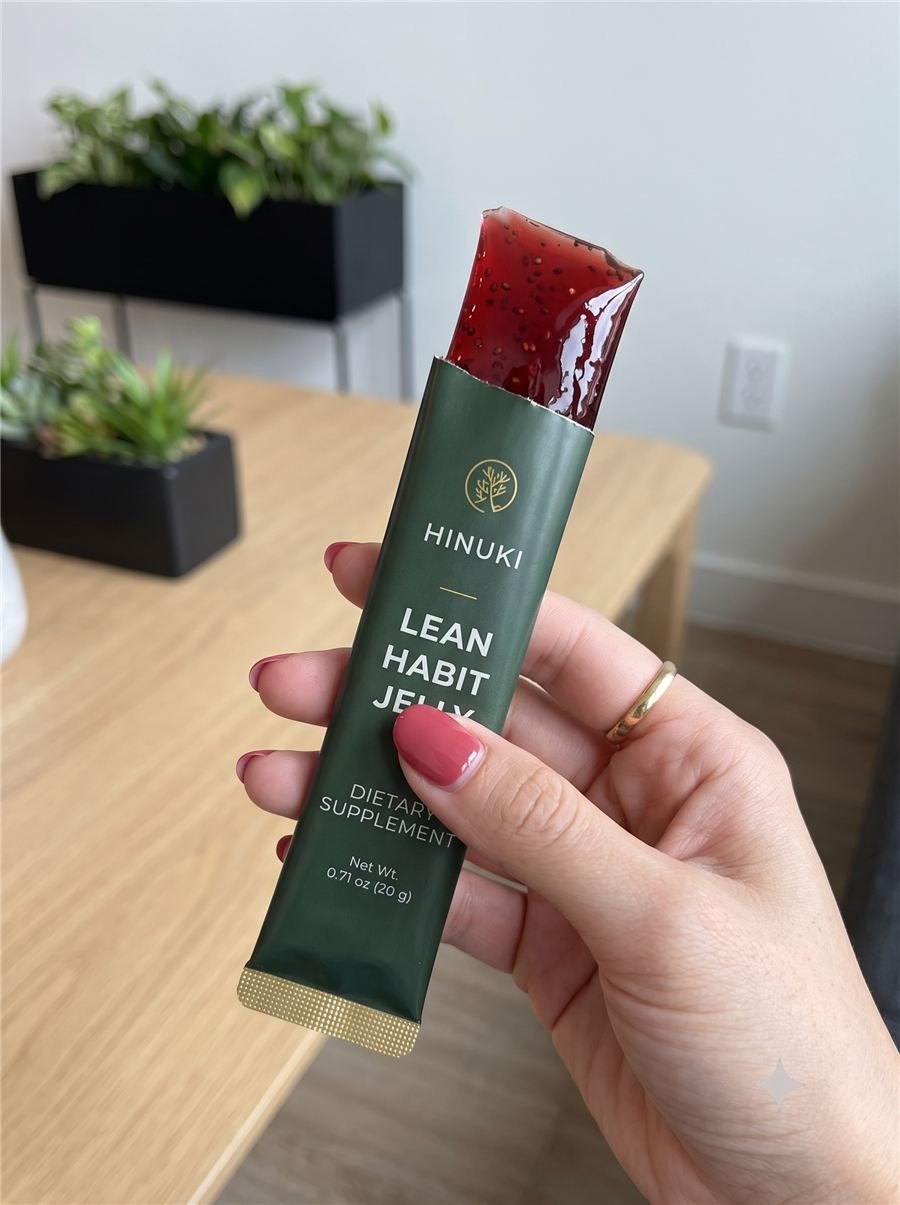
- About 4.2 g of fiber per stick from chia seed (gel-forming), prebiotic FOS and Fibersol-2 (both fermentable), the same fiber routes explained above, in one pre-portioned stick.
- Roughly 50 calories, 0 g fat and no added sugar, with a tart pomegranate flavor from concentrated red pomegranate juice, a touch of honey and vitamin C, plus Brindle Berry extract (Garcinia, about 750 mg HCA).
- No mixing, no clumping: tear, chew, done. Caffeine-free and easy to carry to work or on trips.
- Built for consistency: one stick a day after your main meal, the kind of daily rhythm gut bacteria respond to.
- Easy to try: a 60-day returns guarantee on every order, and no subscription is ever required. At checkout you choose freely between Subscribe & Save and a one-time purchase.
On the official site, Hinuki costs $34.99 for 1 pack, $29.99 per pack for 2 packs, $24.99 per pack for 3 packs and just $19.99 per pack in the most popular 4-pack bundle (standard shipping $4.95). Each pack holds 10 sticks. It is the most practical daily fiber habit we know, and the option we confidently recommend for supporting your natural fullness signals.
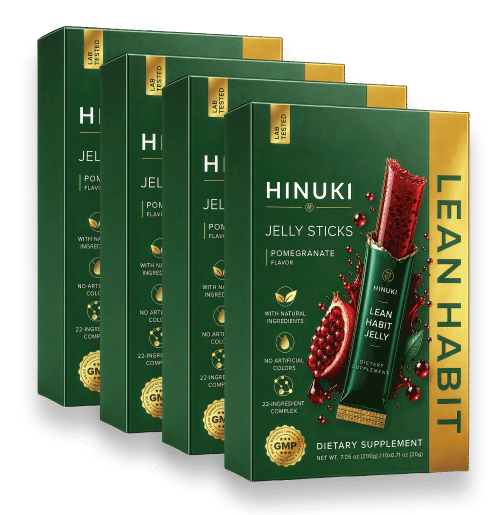
Ingredients, pricing and our 4.5/5 verdict are in our full Hinuki review, and the product overview is on our home page. Hinuki is a food-style supplement that supports a healthy routine; it is not a medication, not a GLP-1 drug and not a replacement for a balanced diet or medical advice. If you take medication, are pregnant or nursing, or have a health condition, check with your doctor before starting any supplement.
Natural GLP-1 and fiber: frequently asked questions
What does “natural GLP-1” mean?
GLP-1 is a hormone your own gut releases after you eat. It helps tell the brain you have eaten and slows how fast the stomach empties. “Natural GLP-1” is a popular way of describing foods and habits, especially fermentable fiber, protein and slower eating, that support your body’s own release of this fullness hormone. It is not a medication and does not work like one.
How does fiber increase GLP-1?
Your body cannot digest fiber, so fermentable fibers travel to the large intestine, where gut bacteria break them down into short-chain fatty acids. Those small molecules signal special cells in the gut lining (L-cells) to release GLP-1 and PYY, two hormones linked to the feeling of fullness. Soluble, gel-forming fibers also slow digestion in the stomach and small intestine.
Which fibers help the most with fullness hormones?
Fibers that gut bacteria can ferment: oligosaccharides such as FOS (found in onions, garlic, bananas and added as a prebiotic), resistant dextrins, beta-glucan from oats and barley, pectin from apples and pears, and the fibers in beans and lentils. Gel-forming fibers such as chia add bulk and slow digestion.
Is fiber a natural alternative to GLP-1 medication?
No. Prescription GLP-1 medicines are designed to last in the body for days, while the GLP-1 your gut makes after a meal is broken down within minutes. Fiber supports your body’s normal fullness signals as part of a healthy routine; it is not a substitute for any medication. If you take or are considering a prescription, follow your doctor’s advice.
How long does it take for fiber to affect fullness?
There are two timelines. Gel-forming fiber adds bulk and slows digestion within the same meal. Fermentation in the colon happens hours later, which is why a fiber-rich meal can also help you feel more comfortable at the next meal, sometimes called the “second meal effect.” Most people notice the clearest difference after a couple of weeks of a consistent daily habit.
How does Hinuki fit into a fiber routine?
Hinuki is a pomegranate jelly stick with about 4.2 g of fiber from chia seed, prebiotic FOS and Fibersol-2, chewed once a day after your main meal. It is an easy, pre-portioned way to add fermentable and gel-forming fiber every day. It supports your routine and does not replace a balanced diet or medical advice.